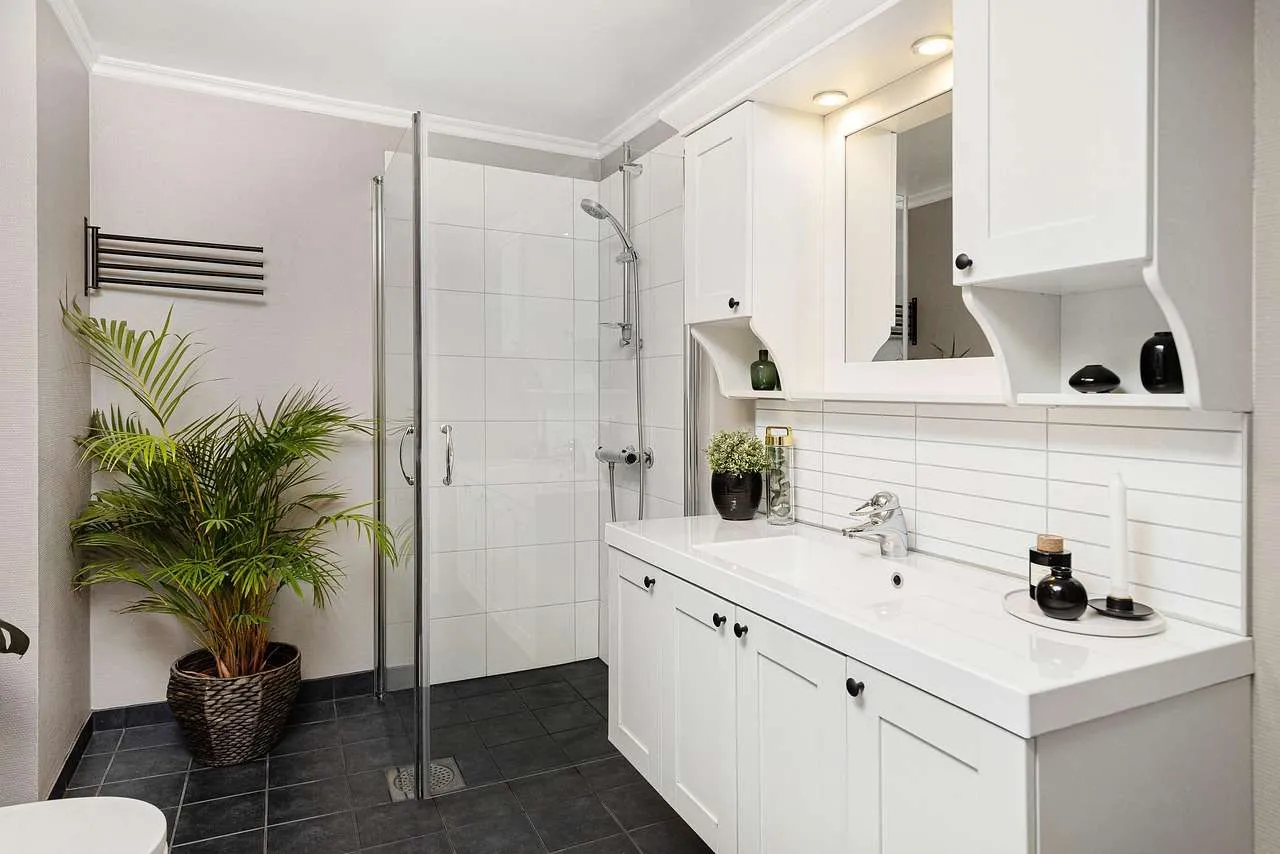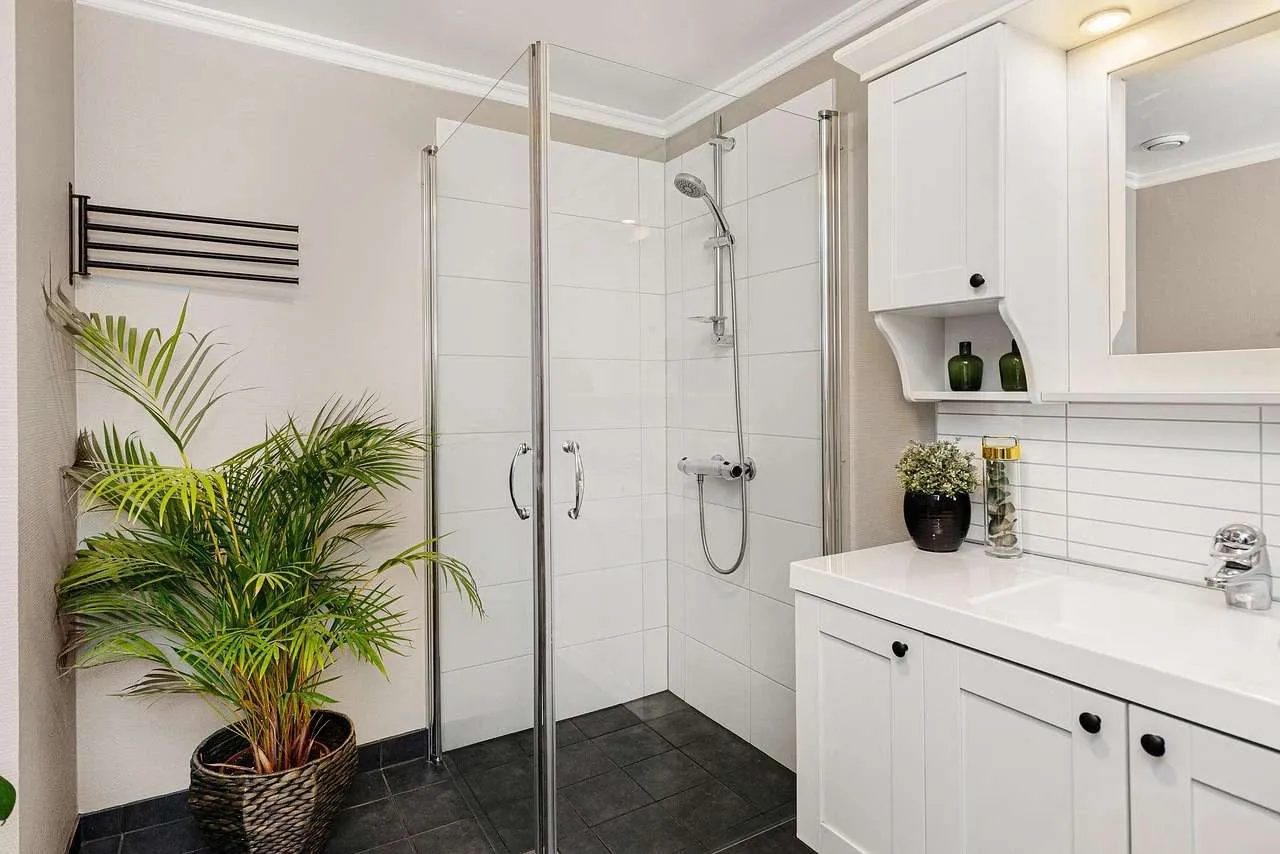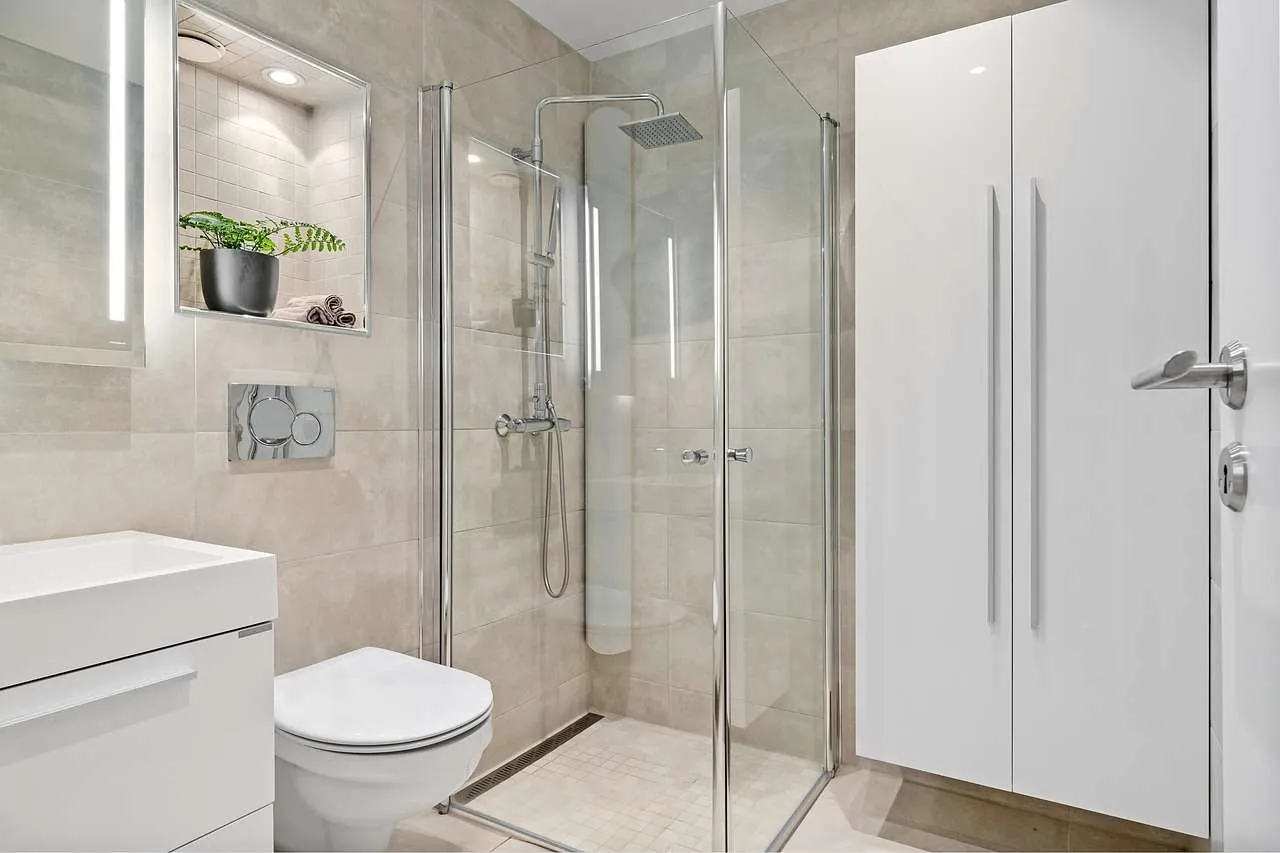
Bathroom tiles have a decisive impact on both style and function in wet spaces. This guide covers materials, design, installation, and maintenance to help homeowners choose tiles with confidence and ensure lasting performance.
Understanding bathroom tiles: materials and performance
Common materials include porcelain, ceramic, natural stone, and glass. Porcelain tiles are dense with low water absorption, making them a reliable choice for floors and showers. Ceramic tiles are versatile and affordable but generally softer and less water-resistant than porcelain. Natural stone—such as marble, granite, and travertine—adds warmth and luxury but requires regular sealing and more maintenance. Glass tiles provide bright reflections and unique accents but can be more prone to water spots and are often used as backsplashes or decorative features. When selecting tiles, start with the moisture exposure and area of installation to guide material choice, and consult manufacturer data for performance ratings.
Porcelain vs ceramic
Porcelain tiles are a refined subset of ceramic, made from finer clays and fired at higher temperatures. They tend to be harder, less porous, and more stain- and moisture-resistant, which makes them ideal for floors and wet walls. Ceramic tiles are easier to cut and often cheaper, suitable for walls and lower-traffic areas. Look for water absorption rates and the PEI wear rating to gauge suitability for floors, walls, and wet zones.
Natural stone considerations
Natural stone brings timeless beauty but demands proactive care. Some stones are highly porous and susceptible to staining and etching from acids. Sealing stone tiles and grout helps control moisture ingress, but resealing is usually required every 1–3 years depending on use. In showers and steam-prone areas, pair stone with a high-quality waterproof membrane and ensure proper sloping and drainage to prevent water-related damage.
Design and layout: size, color, pattern
Tile size affects the feel of a space. Large-format tiles create a seamless look with fewer grout lines and can visually enlarge a small bathroom, while smaller tiles add texture and grip. Consider patterns such as herringbone or vertical rain designs for interest without overcomplicating maintenance. Color choices influence mood: lighter colors open up spaces, while darker tones emphasize lines and texture. Grout color matters too; high-contrast grout can accentuate the tile layout, while matching grout blends seams for a calmer appearance. In damp areas, epoxy grout offers superior stain resistance and lower moisture absorption, though it can be pricier and harder to install than cementitious grout.
Installation and durability: prep, waterproofing, and sealing
Proper substrate preparation and waterproofing are essential for longevity. In showers and wet areas, a waterproof membrane, proper slope, and appropriate drain are non-negotiable. Porcelain and dense ceramic tiles typically require top-quality thinset mortar and careful curing. Stone tiles often need specialty adhesives and a sealing routine to slow moisture penetration. Grout choice influences maintenance: cementitious grout is affordable but porous, whereas epoxy grout resists stains and moisture but may cost more and require exact mixing and curing. Regardless of material, professional installation helps ensure flatness, alignment, and long-term performance.
Maintenance and care
Daily wipe-down and prompt removal of residue prevent mineral buildup. Use a pH-balanced cleaner suitable for the tile material, and avoid acidic products on natural stone. Seal natural stone periodically as recommended by the installer or tile manufacturer, and reseal grout when it starts showing signs of wear or staining. For epoxy grout installations, follow the manufacturer’s maintenance guidance. Regular upkeep preserves shine, color, and slip resistance, extending tile life in high-moisture bathrooms.
Cost, value, and buying tips
Tile costs vary by material, size, and installation complexity. Porcelain and ceramic tiles commonly range from $2 to $12 per square foot for materials, with installation adding $4 to $12 per square foot depending on locale and project complexity. Natural stone can exceed $10 per square foot, plus sealing and ongoing maintenance. Glass tiles often fall in the $7 to $30 per square foot range. Plan for waterproofing, substrate work, grout, and labor. Request samples, check slip ratings, and prefer reputable brands with clear warranties. Working with a licensed installer ensures compliance with local codes and proper performance under humidity and temperature changes.
Comparison of tile types
| Tile Type | Moisture Resistance | Installation Difficulty | Typical Cost | Best For |
|---|---|---|---|---|
| Porcelain | Excellent | Moderate to Difficult | Medium | Floors and showers |
| Ceramic | Good to Moderate | Easy to Moderate | Low to Medium | Walls, backsplashes |
| Natural Stone | Poor to Moderate with sealing | Challenging | High | Luxury floors, feature walls |
| Glass | Very Good | Moderate | Medium to High | Accents, showers, backsplashes |
Why EEAT matters in bathroom tiles decisions
As a veteran design and installation professional, I base recommendations on durability data, independent tests, and real-world performance. Choosing moisture-resistant materials, understanding maintenance needs, and citing trusted brands help ensure your project lasts. If you have questions about waterproofing or sealing, consult a licensed contractor or a building science expert who can explain code requirements and long-term care plans.
Conclusion, in short, porcelain and ceramic provide durable, versatile options for most bathrooms; natural stone adds luxury with proper sealing; plan waterproofing, substrate prep, and a maintenance routine to ensure a long-lasting tile installation.